

Learn more about Heat Recovery Ventilation
Heat Recovery Units
Permagard stock heat recovery ventilation units designed to tackle condensation issues, prevent mould growth and improve air quality in properties in an energy-efficient way. Unlike other forms of ventilation, these units capture the heat from outgoing air and use it to warm the incoming fresh air. This recycling process reduces energy consumption, cutting bills in winter.
There are different options available depending on your requirements, from whole-house systems to single-room units that are ideal for high humidity spaces like kitchens and bathrooms.
Kair’s compact wall-mounted units are very popular, recovering high percentages of heat from the outgoing air. They are also quiet, with silent night mode options available for bedrooms.
Permagard stock the following types and units from Kair - a highly trusted manufacturer:
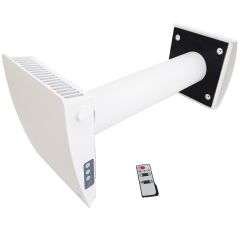
- Kair Mini Single Room Heat Recovery Ventilator – highly efficient and near-silent, recovering up to 81% of heat using just 2 watts. Ideal for smaller rooms needing discreet, continual ventilation.
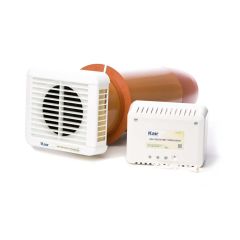
- Kair Heat Recovery Room Ventilator K-HRV150/12RH – ultra-efficient with up to 86% heat recovery, balanced airflow and automatic humidity/night sensors. Suitable for bedrooms, living areas and high-humidity spaces.
Benefits
Heat recovery units deliver a number of benefits for homes and smaller commercial spaces:
- Energy efficiency - by capturing heat, you don’t waste energy. By using less energy, you keep your bills down and minimise your impact on the planet. These units are also economical to run.
- Reduces condensation - by removing moist air and keeping humidity at an optimal level, you reduce the chances of condensation-related issues like damp and mould.
- Improved air quality - by extracting warm, moist and polluted air and replacing it with filtered air, you remove allergens and harmful pollutants.
Installation
It’s important to consider the location of the unit in order to maximise its effectiveness. The ideal position is high on an external wall, giving the unit a short, direct route to outside air. Mounting it in the upper half of the wall helps it extract warm, moist air efficiently while distributing incoming fresh air more evenly. Try to position the unit away from primary seating or sleeping areas to avoid noticeable airflow or noise, and keep it clear of furniture, curtains and alcoves that may restrict air circulation. It’s also best to avoid installing near heat sources such as radiators or ovens, which can affect sensor performance. You will need a trained electrician for the installation. Many wall-mounted units don’t require external access, making installation easier and more cost–effective.
Permagard - Ventilation Experts
Permagard have been helping professionals and homeowners deal with problem condensation and mould for decades. We stock a range of ventilation solutions to improve air quality and mitigate condensation and resulting mould growth. If you’re unsure what ventilation option is best for your situation, contact our technical team on 0117 982 3282.
Click through for more information on the causes of condensation and how to reduce it, our guide to dealing with problem bathroom condensation or our tips on how to ventilate your whole home.
FAQs
How does heat recovery ventilation work?
Like many ventilation systems, HRV units work by replacing warm, moist air with fresh, cold air from outside. The unique difference with heat recovery, as the name suggests, is that a heat exchanger captures the heat energy from the outgoing air. It is then able to transfer this energy to warm the incoming fresh air.
How does it improve air quality?
Many heat recovery units include state of the art filters that rapidly remove pollutants such as volatile organic compounds (VOCs) alongside allergens like dust, oxides of nitrogen, carbon monoxide, carbon dioxide, tobacco smoke and unpleasant odours. The outgoing and incoming air streams don’t mix so there is no risk of contamination.
Best Selling Heat Recovery Ventilation Products
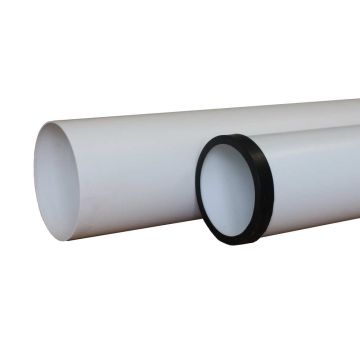
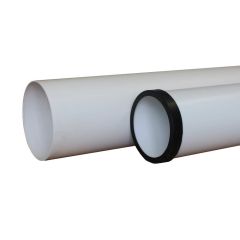
Kair Extension Duct Kit 1m
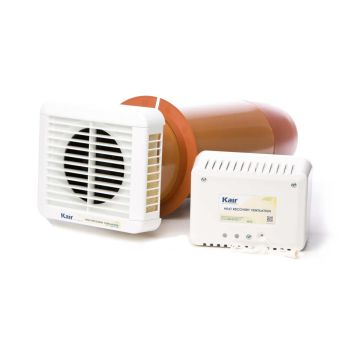
Kair Heat Recovery Room Ventilator K-HRV150/12RH
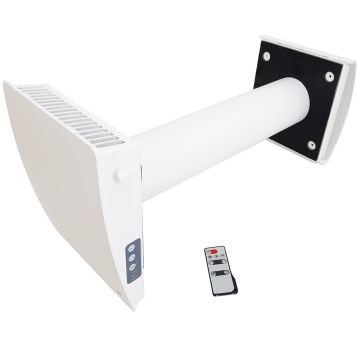
Kair Mini Single Room Heat Recovery Ventilator

Fast Delivery
(1–3 Days)
Order before 2pm
Excludes weekends and bank holidays

Low Trade Prices
High quality and affordable
As manufacturers we pass savings onto you

Phone Orders Welcome
Lines Open: 9am - 5pm, Monday - Friday
