

Learn more about Damp Proof Course
DPC Membranes
Protect a property from rising damp with an extremely durable damp proof course (DPC). Permagard stock polyethylene DPC membranes that prevent dampness in the wall structure along with the associated issues with mould and damage to internal decoration.
What is a damp proof course?
A damp proof course (DPC) is a physical barrier that prevents water from moving up a wall. This process of water travelling up through walls is known as rising damp. You can either use liquid DPCs or physical DPCs to prevent this from happening. Many homes will already have some form of DPC. You can read more about identifying rising damp in our advice section.
Click on the link if you are looking for a liquid DPC.
How does a damp proof course work?
The plastic DPC is installed into the wall in the construction phase, the plastic membrane then acts as a barrier. This prevents water from passing through it. They are manufactured in a way to provide a robust damp proof barrier to prevent water rising up within the wall.
Damp Proof Course Installation
A physical damp proof course (DPC) is built into masonry to create a continuous barrier against rising damp. DPCs are typically installed during new construction, with joints correctly overlapped or sealed to prevent moisture passing through the wall.
Where a wall DPC meets a floor damp proof membrane (DPM), the two should be connected to maintain continuous protection against ground moisture.
Installation should follow the manufacturer's guidance and relevant standards, including BS 8215:1991, the code of practice for the design and installation of damp proof courses in masonry construction.
Where can I install a damp proof course?
Horizontal DPCs are commonly installed within brick and block walls to prevent moisture rising through the masonry. Vertical DPCs may also be required around openings and at wall junctions, depending on the building's construction.
The correct type of DPC and installation method will depend on the wall construction and intended application.
What level should the DPC be installed at?
A damp proof course in an external wall should generally be installed at least 150mm above the finished external ground or paving level. This helps prevent moisture from bypassing the barrier.
Special consideration may be needed around door thresholds, changes in ground level and other junctions to ensure the damp proof course remains effective.
Damp Proof Course Cost
The cost of a damp proof course depends on the type of material, the length required and the complexity of installation.
It's important to distinguish between a wall DPC and a damp proof membrane for concrete floors, which protects against ground moisture beneath a floor. Where protection against ground gases is required, specialist gas membranes and radon barriers may also be necessary.
For existing buildings affected by rising damp, DPC injection creams can provide an alternative to installing a physical damp proof course, where suitable.
Click on the link if you are looking for a liquid DPC.
Permagard – Providing solutions. Inspiring confidence.
As DPC specialists, we can advise on any aspect of a damp proof course, from finding the right product for the job to installation. With over 35 years of experience, Permagard are happy to offer free technical advice. Call 0117 982 3282.
Best Selling Damp Proof Course Products
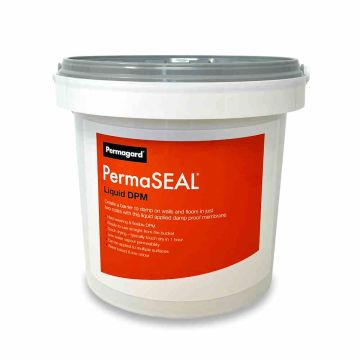
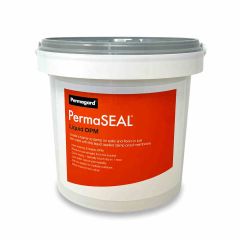
PermaSEAL Liquid DPM 5L
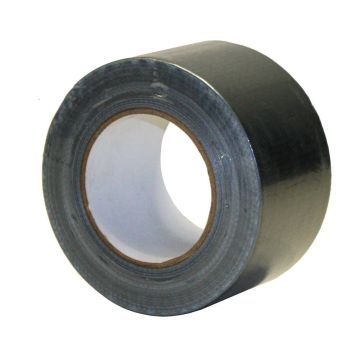
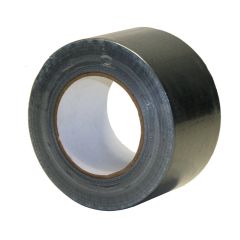
Single Sided DPM Tape - 75mm x 33m
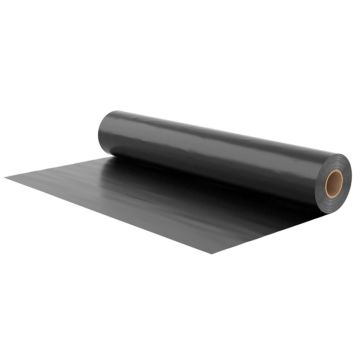
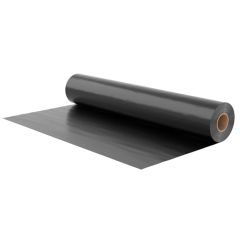
DPM Roll 1200 Gauge - 4m x 25m (100m²)

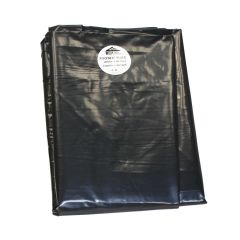
1200 Gauge DPM Handy Pack 4m x 5m

Fast Delivery
(1–3 Days)
Order before 2pm
Excludes weekends and bank holidays

Low Trade Prices
High quality and affordable
As manufacturers we pass savings onto you

Phone Orders Welcome
Lines Open: 9am - 5pm, Monday - Friday
