
How To Get Rid of Damp – The Big Guide
Many people have had some experience with damp in their homes, and it’s never a good one. Damp feels like an invasion. As well as attacking your walls, plaster, décor, furniture, and clothes, damp can cause serious structural damage to your property. It also looks unpleasant and smells bad. Moreover, a damp atmosphere and airborne mould spores are bad for your health and can soon make your home unwelcoming.
Many people want to know how to stop damp and prevent it from coming back. We created this guide to provide you with all the information you need to identify and treat the damp affecting your home.
How to Get Rid of Damp
Getting rid of damp all depends on identifying the type you have. Once you know this, you need to solve the root cause. You can then choose from a number of professional products available that can stop damp from coming back and make good the affected area.
If you are concerned about developing a damp problem, there are some steps you can take to prevent mould and damp. These can involve behavioural changes as well as some preventative products. We cover all these in the following sections.
Types of Damp
In the following section, we take you through the main types of damp, including how to identify it and the available solutions. It is possible to have a combination of damp problems that can complicate diagnosis.
Read on or use the links below to learn more about identifying and fixing each type of damp.
Jump Links
What Is Condensation?
Condensation occurs when water vapour in the air comes into contact with cold, impermeable surfaces such as windows and, in some cases, walls. This results in steamed-up windows, mirrors and shower screens. It can also appear in less visible places, like behind furniture, blocked-in fireplaces and underneath laminate flooring. In some cases, condensation can lead to mould growth.
Your home may be suffering from condensation if you can identify any of the following symptoms:
- Steamed-up windows and puddles on the windowsills
- Wet walls that are damp to the touch
- Damp peeling wallpaper
- Black spotty mould on walls and ceilings – common in bathrooms
- Musty smell
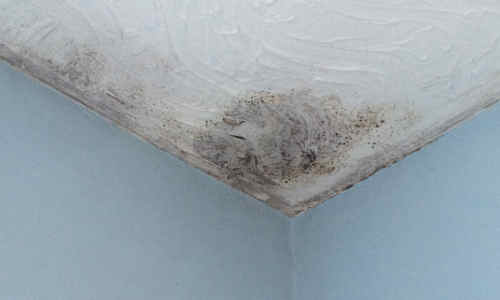
A sign of condensation - black mould on the ceiling
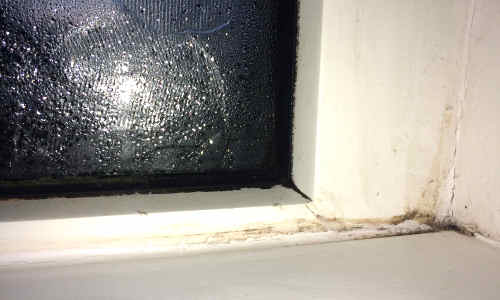
A sign of condensation - water droplets and black mould caused by puddles on windowsill
How Do I Stop Condensation?
Good ventilation and regulated heating are the most effective ways of stopping condensation. Consider a combination of the following to stop condensation:
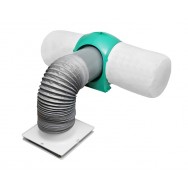
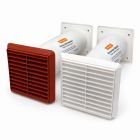
- Better ventilation – opening windows to allow air to circulate or cross-ventilate by opening windows at opposite sides of the house. Locally installed bathroom or kitchen humidity-controlled extractor fans or whole-home ventilation systems, such as the Nuaire Drimaster Eco, will prevent condensation. View our Ventilation Systems for a whole range of options.
- In kitchens and bathrooms, use a humidity-controlled extractor fan to remove excess moisture. Keep the doors shut, too, to stop moisture from spreading throughout your home.
- Regulate the heating so it’s constantly on at a low heat. Preventing rapid changes in temperature will help reduce condensation.
- Create less moisture – put lids on pans when cooking, add cold water before hot water when running a bath, dry clothes outdoors or in a room with a humidity-controlled extractor fan, avoid drying damp clothes on warm radiators.
- Better insulation can help prevent cold patches on walls, reducing the risk of condensation problems. We recommend ISO-THERM Insulation as a quick, easy solution.
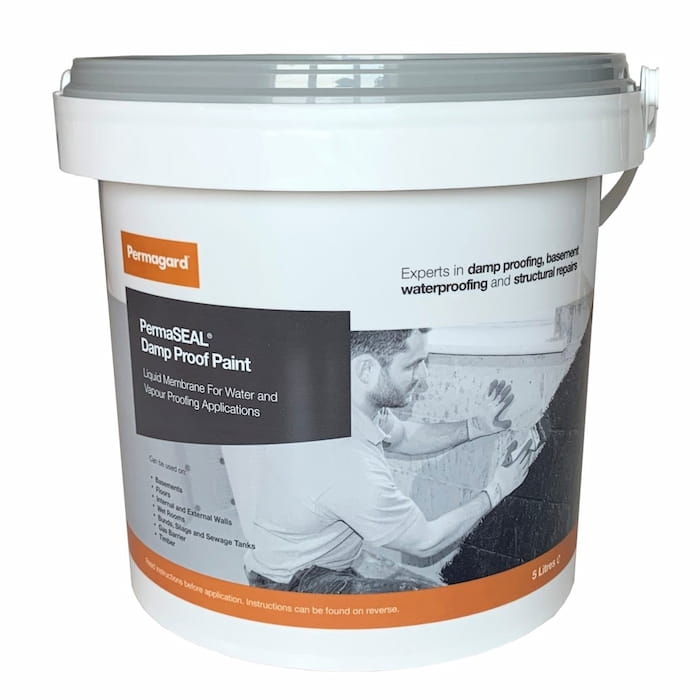
In order to tackle any mould that has formed as a result of condensation, you may consider using the following:
- PermaPROTECT Mould Wash Concentrate
- PermaPROTECT Damp Proof Paint
- PermaPROTECT Anti Mould Paint
- View all Ventilation Systems
- View all Anti Mould Products
Further Reading on Condensation
- How to Get Rid of Condensation
- How to Stop Condensation in a Bathroom and Prevent Mould
- How to Stop Window Condensation
What Is Penetrating Damp?
Penetrating damp occurs when water from outside penetrates the building substrate through a variety of defects, including:
- Faulty joints
- Incorrectly installed windows and doors
- Failed external render
- Damaged or blocked guttering
- Leaking downpipes
- Faulty roofing, including missing or damaged tiles
- Absorbent substrates, like brickwork and masonry
All these relatively common issues allow moisture to penetrate your home. The problem is usually seen in older properties and exacerbated after rainfall.
Any water entering your building can cause surface staining and de-bonding of paint. However, it’s the hidden components within the building’s structure that can be severely affected and can cause major issues. For example, corrosion of wall ties, rotting of timber lintels and floor joists, which can lead to wet and dry rot. Masonry can be affected by frozen water ingress, causing spalling of the surface and eventual de-bonding of brick faces and renders.
Your home may be suffering from penetrating damp if you can identify any of the following symptoms:
- Damp and blotchy stains on plasterwork
- Cracks or holes in mortar joints, renders and masonry surfaces
- Wet patches which are exaggerated after rainfall
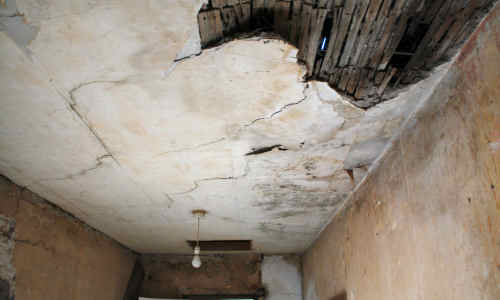
Penetrating damp from leaking roof and gutters
How to Get Rid of Penetrating Damp?
The priority is finding the cause of the penetrating damp. Start by looking at the common causes, like your gutters and downpipes and any faulty roof coverings. Once you have identified the fault, get it repaired by an expert.
The following faults are worth checking:
- Check your roof space regularly for any signs of a leak, such as wet timbers
- Check for faults with gutters and downpipes
- Check for faults with your walls such as pointing and damaged pebbledash
- Check window frames and doors for gaps
- Check flashing where a roof meets the wall of a chimney
External water repellents such as MicroShield ULTRA protect masonry from penetrating damp. If your property is brick, you may want to opt for a breathable brick sealer.
Further Reading on Penetrating Damp
- There are several water repellents suitable for helping prevent penetrating damp. View our top water repellents here.
- Read our guide on how to waterproof brick and masonry
- Read our guide to damp proofing internal walls
What Is Rising Damp?
Most properties have a damp-proof course, which is a barrier normally made from plastic, bitumen or slate. Installed during construction, it’s designed to block groundwater from entering the property and moving up through the wall. If this is missing or ineffective, your wall may suffer from rising damp.
Your home may be suffering from rising damp if you can identify any of the following symptoms:
- A tide mark on your wall – this line of white salts is formed by the evaporation of the groundwater
- White fluffy salts on the surface
- Damp on the lower half of your walls
- Damage to skirting boards
- Crumbling or blown plaster
- Peeling paint or wallpaper
- Musty, damp smell
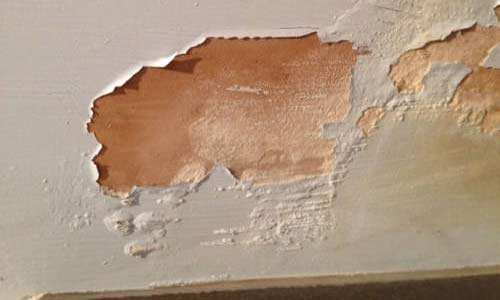
Rising damp salts blowing paintwork
How to Get Rid of Rising Damp?
Rising damp can be both solved and prevented by installing a damp-proof course. You will also need to ensure that any soil remains at least 6 inches below this level.
Rising damp treatments revolve around installing an effective damp-proof course. You can take the following actions or employ a damp specialist to carry out the following:
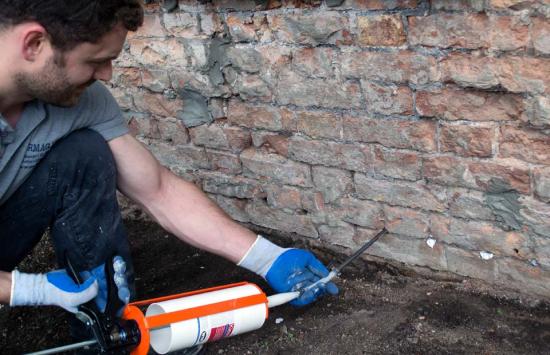
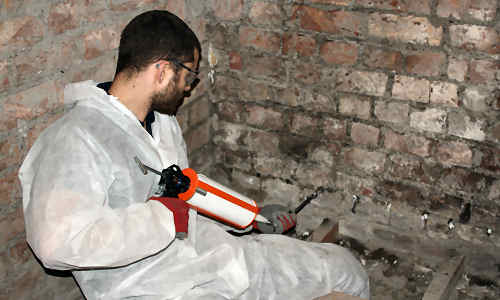
- Chemical damp-proof course – chemical solution (damp-proof cream) injected into the mortar joint of affected walls through drilled holes to create a waterproof barrier and prevent moisture rising above the new damp-proof course.
- Physical damp-proof courses – a new damp-proof membrane can be inserted by removing a course of brickwork and bedding the new plastic membrane in before reinstating the bricks. Normally only 3–4 bricks are removed at once - we suggest the use of an expert when carrying out remedial works like this.
Further Reading on Rising Damp
How to Stop Damp in Walls
As shown in our guide, the right method for stopping damp depends on the type you have. While this means the process will vary, generally you need to:
- Identify the type of damp you have, and its cause.
- Fix the cause before going straight in with treatment.
- Treat the damp using the methods outlined above.
- Repair the surface and make good.
How Permagard Can Help
We know that damp can take many forms. If you can’t find the information that you need in this guide for tackling damp, then give us a call on 0117 982 3282. We are more than happy to discuss your issues and find a solution so you can enjoy a damp-free home.
With more than 35 years’ experience in the damp proofing industry, we have the expert knowledge that you need. We can offer impartial advice on the damp proofing products available. Contact us now for more information.
If you are purchasing a property, here are some tips on how to spot damp when buying a new home.