
Maintaining Heritage Buildings: Non-intrusive Ways of Making Repairs
Damp and structural repair issues in historic buildings require careful planning and specialised construction techniques. It requires balancing sympathetic repairs with effective structural solutions. As such, it presents challenges for structural engineers, developers, contractors and property owners, as you can’t treat these buildings the same way you would newer buildings.
Caution is always the best approach when maintaining heritage buildings. That’s why this guide explores a range of products and methods that act as non-disruptive solutions for older buildings.
Jump to section:
- What do we mean by a heritage building?
- Maintaining heritage buildings in a non-intrusive way
- Common issues found in older buildings
- Repairing heritage buildings in a non-intrusive way
- Maintaining heritage buildings with Permagard
What do we mean by a heritage building?
Heritage or historic, listed or old - there are a handful of terms used to describe buildings generally constructed at least 50 years ago. As some of these terms come with their own sets of requirements to follow, we’ll quickly list each category and accompanying definitions:
- Listed Buildings - if a building is listed, it’s recognised for its architectural significance. Listed buildings can span from castles and stately homes to shops and bridges. Historic England will generally not consider a building for the National Heritage List for England if it’s less than 30 years old.
- Historic buildings - historic buildings are classed as ‘those that are listed, in conservation areas or are scheduled monuments’. However, Historic England notes that not all historic buildings fall into these categories, as some were built after WWII.
- Heritage buildings - heritage buildings are part of a broader category called Heritage Assets, which is defined as ‘A building, monument, site, place, area or landscape identified as having a degree of significance meriting consideration in planning decisions because of its heritage interest.’
- Old buildings - is a term used to describe any building that was constructed in the past, but does not hold any historical significance. You can read more about damp proofing older properties in our guide.
Maintaining heritage buildings in a non-intrusive way
Preserving historic buildings is vital to our cultural heritage and history. They were originally constructed with older, more traditional methods and materials such as lime mortar, thatch and Collyweston slate. Replacing this with modern materials risks losing elements of their historical significance and can potentially cause more damage, which is why various regulations, such as Listed Building Consent, exist.
Complying with these regulations means protecting and treating heritage buildings with the utmost respect. Any remedial works need to focus on preserving character and architectural importance, as well as resolving any structural or damp issues.
Do you need permission to repair historic or listed buildings?
Regular maintenance work, such as replacing individual roof tiles (if the materials are like-for-like), generally does not require permission. You will likely need consent for larger, more intensive works, such as:
- Using new materials, or replacing current materials, in any type of repair - including painting and rendering
- Replacing windows - including upgrading single glazed windows to double glazing
- Installing insulation
Historic England has provided plenty of guidance on the maintenance and preservation of heritage buildings, but generally, the principles of any changes made should:
- Be reversible
- Be kept to a minimum
- Contribute to the future of the building, extend its lifespan and help reduce its environmental impact
Common issues found in older buildings
All buildings naturally decay over time due to weather, property changes, changes in ground conditions and poor insulation. These issues can include:
- Deterioration of materials such as timber beams & lime mortar
- Penetrating and rising damp - these can arise from a failed or a lack of a damp proof course (DPC), or a structural issue
- Wall cracks, which can exacerbate the issues listed above.
- Subsidence & foundational issues
- Old buildings also tend to be more susceptible to the elements, meaning flooding and driving rain can contribute to their deterioration.
Repairing heritage buildings in a non-intrusive way
We look at some of these issues below, and some of the potential methods you can take to resolve them in a non-intrusive way.
Before starting work, it’s important to understand the context of the issues and the building’s history. Are the issues period-specific, such as a Georgian property constructed before DPCs became a building standard? Or is the issue the result of alterations made over time, like bulging walls caused by the addition of a new storey?
A Home Survey should provide this detail, but if not, Historic England and the Property Care Association have created a framework for investigating the condition of a building and its context.
Wall cracks
Wall cracks are often the result of building age, heavier traffic within the area or a building fault, such as:
- Degradation of structural elements, like lintels or wall ties
- Subsidence, or other forms of structural movement
- Weather-related issues, such as thermal expansion or excessive moisture, like driving rain
- Maintenance issues like leaky pipes or guttering
Not all wall cracks are cause for concern - some are merely cosmetic. In worst-case scenarios, they can expose heritage buildings to penetrating damp and further structural issues. It’s important to fix the root cause as well as simply repairing the wall crack.
The fix: First, you need to identify the type of wall crack, as this will inform you of the cause. Vertical cracks, for example, often point to foundational or lintel issues, while horizontal cracks may be the result of corroded wall ties.
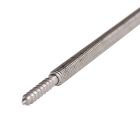
Crack stitching with helical bars is an inexpensive, non-disruptive solution for fixing cracks in walls. You embed the helical bar into horizontal slots made in the mortar, restoring structural integrity. Just make sure that when filling in the crack once the bar has been installed, the mortar matches what already exists. So if the building uses lime mortar, make good with just that. Read more about crack stitching here.
Penetrating damp
Penetrating damp is caused by water entering the inside of your building via the wall. This can be caused by the natural porosity of masonry combined with driving rain, missing render, in particular lime render, wall cracks, leaky pipes or other building faults, such as loose roof tiles. Exterior building maintenance is key to preventing damp from heavy rain and frost thaw, as well as other building issues.
The fix: First, you need to resolve the root cause of the damp. If you see a crack in the wall, repair it in accordance with the guidance above, or replace any loose or missing roof tiles. If leaking pipes are the cause, this is something property owners can usually fix themselves without needing consent, but we’d always recommend double checking before making any changes.
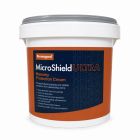
Once the issue is resolved, you can then focus on protecting the building to prevent it from coming back. Permagard MicroShield ULTRA creates a breathable barrier against penetrating damp, offering 25+ years of protection. The repellent lines the pores of the brickwork, rather than blocking them completely, so the building can still ‘breathe’ while ensuring it’s protected from the elements.
While initially creating a white coating, MicroShield dries clear, causing no change or disruption to the building’s appearance while also improving its overall thermal performance.
Note: Before using a water repellent, it’s still always important to test for colour change, especially with different ages and types of masonry.
Bulging or bowing walls
Bulging or bowing walls occur when a building starts to lose its structural stability, and can be caused by a variety of issues, including:
- Shallow foundations
- Structural movement
- Too much or too little moisture in the ground
- Lack of lateral restraints - many older buildings relied on bond timbers for structural support, which can decay over time.
Bulging walls can lead to further structural problems, like wall cracks and weaker foundations.
The fix: There are many ways to fix a bulging wall, but lateral restraints are a discreet, cost-effective solution. Unlike traditional methods like pattress plates, lateral restraints do not require intrusive work to install and are less visible.
To install, drill a 14mm hole into the brickwork or stone and insert the restraint. Attach the fixing key and slowly wind the lateral restraint through the joists, leaving the outer end recessed by 15mm. To finish, resin bond the outer end and cover with mortar. Note that installation should follow manufacturer guidance and structural assessment. Read more about repairing bulging walls.
Decaying timber
The PCA describes timber as a ‘versatile and wonderful material’ that has an ‘Achilles' heel’: its degradability. Timber problems are common amongst heritage buildings for this reason, such as wood rot and woodworm.
If you detect wood rot in a heritage building, you first need to identify the type before starting any treatment - we cover the signs of wet and dry rot in our guide. Of the two, dry rot is more aggressive and can spread through masonry to reach new timber once established, even in areas that appear dry.
If you see small, round holes in woodwork, then the issue is likely woodworm - which can become a serious problem if found in structural timber. Like wood rot, identification is key before starting treatment as different types of beetles create different types of woodworm. Read more in our ultimate woodworm guide.
The fix: For woodworm, we offer the following products:
- For smaller areas or surface-level treatment, use Permagard Woodworm Killer - a water-based, low-odour solution that prevents reinfestations.
- When stronger treatment is required, spray Lignum Insecticide Pro into exit holes left by wood boring insects, no matter where they are in their lifecycle.
- We also offer Lignum Pro Gel Fungicide and Insecticide for eradicating longhorn beetles, termites and other woodboring insects, as well as protecting timber that’s susceptible to rot.
For wood rot, use Lignum Fungicide and Insecticide Pro for long-lasting protection and timber preservation.
Rising damp
When diagnosing any moisture issue, a ‘whole building approach’ is vital, as stressed by the RICS, Historic England and PCA in their joint statement on heritage buildings. Rising damp has long been the subject of debate, with doubts of its existence often stemming from misdiagnosis. Yet older buildings may be more susceptible where DPCs have deteriorated over time, while buildings constructed before the 1870s did not have a DPC at all.
Rising damp can lead to structural issues if left untreated, and can cause damage to decorative finishes - read more about rising damp here. It’s usually identified by tide marks on the lower part of a wall, salts or efflorescence or stained or peeling paint or wallpaper.
The fix: In appropriate cases, a chemical DPC can be installed through the building exterior as a relatively low-disruption solution. Improvements to drainage and ventilation should also be assessed where relevant, particularly in heritage buildings where moisture is often caused by a combination of factors.
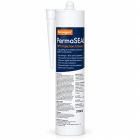
Our PermaSEAL DPC Injection Cream allows for mess-free installation, and its high-strength formula (containing 80% of active ingredients) creates a reliable barrier against rising damp and salts, protecting buildings for years to come.
We should note that any new damp proof course installed in a heritage building should be the result of a thorough investigation in accordance with BS 6576 - the standard for rising damp in older buildings - and be subject to the building’s construction.
Maintaining heritage buildings with Permagard
Permagard is a leading manufacturer of damp and waterproofing solutions, all compliant with key certifications and suitable for older buildings, where there are more limitations to be aware of. Our technical team is more than happy to discuss your project and provide you with the correct specification for the job, taking into account your requirements. Call us on 0117 982 3282 or contact us today to learn more about our products.

-
-
-
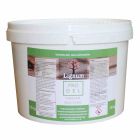 Lignum Pro Gel Fungicide and Insecticide 7.5kgMore Info£160.00 Ex VAT£192.00 Inc VATOut of stock
 -