
Wall Ties - A Buying Guide
Different wall ties are designed for different applications, and using the wrong tie could exacerbate structural issues. This buying guide breaks down the different types of remedial wall ties and their purposes, so you know which you need for your project.
Jump to a specific section:
- What is a wall tie?
- Types of wall ties
- Which type of wall tie do I need?
- The extras
- Further reading about structural repair
- FAQs
What is a wall tie?
A wall tie, also known as a brick tie or cavity tie, connects the internal and external leaves of a cavity wall to provide structural support and accommodate movement. The wall tie bridges the cavity gap and holds the two walls together, providing stability from the inner leaf to the outer. They’re added during new construction, but can degrade over time. If the tie fails in some way, the wall may separate, resulting in bowing, cracks and instability.
Our wall tie replacement guide provides more detail around wall ties and why they can fail over time.
What are remedial wall ties?
Remedial wall ties are designed for retrofit applications in which the original wall ties have corroded or failed. There are different types of ties, each designed for different purposes or wall types, providing a quick and easy solution to various common structural issues. It’s worth noting that wall ties designed for new construction cannot be used as remedial wall ties.
Types of wall ties
At Permagard, we specialise in remedial wall ties. Our extensive range provides sturdy, reliable solutions for structural repair issues like wall cracks and bulging. The types of wall ties we sell include:
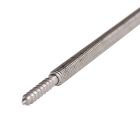
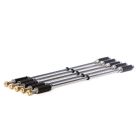
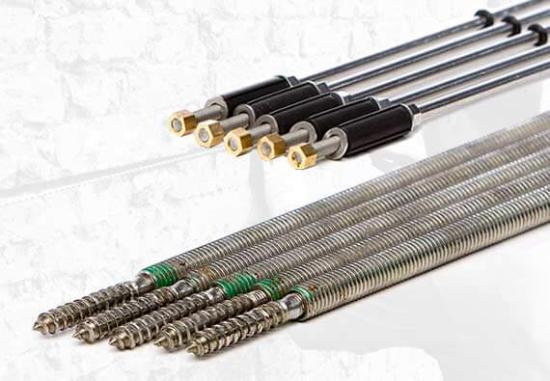
- Mechanical wall ties - a 304 stainless steel wall tie consisting of a torque nut and bar. This can be mechanically tightened to apply force between the inner and outer leaves for added strength and stability.
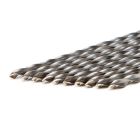
- Helical wall ties - stainless steel ties that are drilled into the outer leaf of the wall through to the inner leaf. The fins cut through the brickwork to anchor and stabilise the structure.
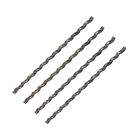
- Resin wall ties - resin wall ties are installed in pre-drilled holes filled with resin, re-tying cavity walls in situations where the brickwork is in poor condition.
Which type of wall tie do I need?
| Easi-Fix Neoprene Wall Ties | Easi-Fix Helical Drive Ties | Easi-Fix Helical Resin Wall Ties | Easi-Fix Lateral Restraint | |
|---|---|---|---|---|
| Application | Fast replacement wall tie installation. | General-purpose replacement wall tie for most masonry cavity walls. | Re-tying cavity walls where masonry condition is poor or a resin-fixed solution is required. | Stabilising bowing or bulging walls by restraining the outer structure to the floor joists. |
| Benefits | Install multiple ties quickly - under ten seconds per tie. Each tie can be pull-tested to verify its strength. | Rapid installation across a wide range of substrates, with low installation costs and high tensile strength. | Provides reliable stability and accommodates building movement in fragile structures. | Minimal disturbance compared to angle straps and manufactured from austenitic 304 stainless steel. |
| Coverage | Approximately 40m² installed at 2.5 ties per m². | When used as replacement wall ties, use approximately 2.5 ties per m² of wall surface. | Approximately 2.5 ties per m² of wall surface. | N/A |
| Suitable for | Cavity walls with solid masonry inner and outer leaves. | Perforated and solid bricks, as well as aircrete blocks, clay bricks and concrete blocks. Can also be installed through cavity wall insulation. | In almost all kinds of building materials, usually when the condition of the walls is poor. | Gable walls, rooms with fitted furnishings, such as bathrooms, and joists bearing into or parallel to the wall. |
| Need to know | Not suitable for timber frames, cavity walls filled with insulation or structures where the leaves are of different thickness. | A light hammer drill is recommended i.e. no more than 1.5NM impact and not less than 3,000 impacts per minute. | Not suitable for installation in insulated cavity walls. | Each lateral restraint must generally be spaced 0.5 metres apart. |
Note: Our technical team can advise you on the best wall tie for your property. Speak to us about your project, and we’ll help identify the wall tie you need.
The extras
| Accessory | Blow Out Pump | Armeg SDS Plus Hammer Drill Bits | Easi-Fix Helical Drive Tie Professional SDS Install Tool |
|---|---|---|---|
| Description | Easily clear drilled holes of dust and debris, ready for wall tie installation. | High quality drill bits for SDS drills. Available in different sizes. | Drive and countersink Easi-Fix Helical Drive Ties into masonry. |
Further reading about structural repair
- Domestic Property Renovation & Structural Repairs, Bristol – Case Study
- How to Fix a Bulging Wall
- Wall Tie Replacement - How to Guide
- The Ultimate Exterior Building Maintenance Guide
FAQs
How to choose remedial wall ties for old brickwork?
Choosing remedial wall ties for old brickwork depends on several factors, such as:
- The building’s condition - is the brickwork soft and fragile, and how wide is the cavity?
- The type of wall e.g. cavity vs solid
- The type of issue, such as corroded wall ties or bulging walls
Older brickwork is generally more fragile, so the wall ties shouldn’t cause additional stress on the building. Resin wall ties are often recommended for poor building conditions, while our Helical Drive Ties undercut the substrate to lock it in place for expansion-free anchorage.
How to choose the correct wall tie length:
To find out which length you need, first confirm the width of the cavity. Drill into the outer wall, and then measure the drill bit from where it touches the inner leaf.
Wall ties are embedded approx. 50-70mm into the inner leaf. To work out the length you need, take the outer leaf thickness minus a 15mm recess from the external face, then add the cavity width and a minimum 70mm embedment into the inner leaf. Round up to the next available tie length.
Easi-Fix: Specialist Solutions. Made possible.
Permagard invented and patented the Easi-Fix mechanical wall tie in 2002, and since then our structural repair products have become industry staples. Our specialist range of wall ties and lateral restraints offers reliable solutions that ensure long-lasting structural integrity.
For further information on wall ties and structural repair projects, contact our in-house technical team for free today by calling 0117 982 3282 or sending an email to [email protected].