

-
4 Versions
-
-
-
-
-
-
-
-
-
-
4 Versions
-
4 Versions
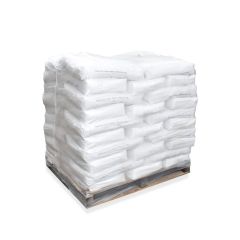
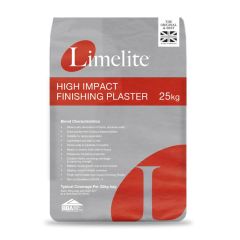 Limelite High Impact Finishing Plaster 25kg BulkPrices from£250.00 Ex VAT£300.00 Inc VAT
 -
-


Learn more about Cementitious Tanking
Tanking Solutions
Our tanking slurries protect masonry and brickwork by creating a breathable and watertight barrier. They effectively seal the masonry, creating a durable membrane that water cannot penetrate.
Cementitious slurries can be used above and below ground to prevent water ingress. These fully-bonded tanking membranes can withstand a degree of hydrostatic pressure, making them an affordable and popular choice in cellar and basement tanking systems.
Tanking membranes explained
The term tanking membrane is used here to mean a liquid-applied membrane, such as a tanking slurry or waterproof coating. It is also used more generally to refer to a plastic HDPE membrane or cavity drain membrane. The difference being that a cementitious tanking membrane blocks water ingress, whereas cavity drain membranes actively manage water ingress as part of a Type C system.
Our Product Range
At Permagard, we’re proud of our range of reliable, vapour-permeable tanking slurries:
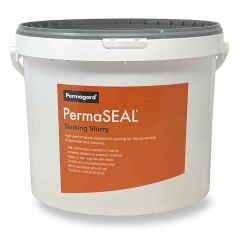
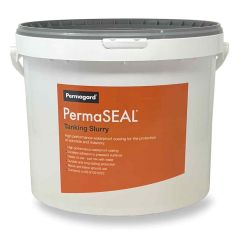
- PermaSEAL tanking slurry - suitable for damp proofing masonry above and below ground, internally. Also available in white.
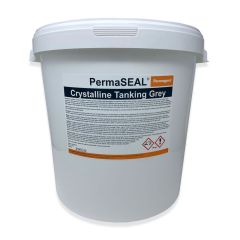
- Crystalline tanking slurry - forms an ultra hard-wearing crystalline bond when it reacts with cement-based substrates.
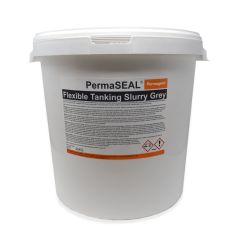
- Flexible tanking slurry - polymer-modified to deliver a highly flexible tanking slurry ideal for brickwork, masonry and concrete where movement may occur. This includes new builds or, in cases where you are unsure of the structural integrity of the substrate.
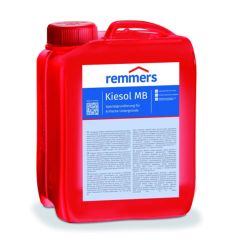
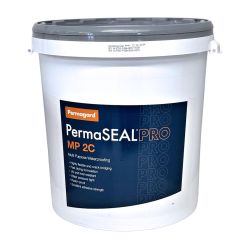
For external tanking, we recommend PermaSEAL PRO MP 2C - a multipurpose waterproof coating, ideal for external wall systems.
Uses of cementitious tanking & problems it solves
Cementitious tanking slurry can be used above and below ground to waterproof masonry, concrete, cement renders, block and brickwork. It works on both new and old structures, and is used to:
- Protect below-ground structures from water ingress, seepage and water pressure
- Waterproof above-ground blockwork structures, such as garages
- Act as a damp proofing slurry after the installation of a new injection DPC before plastering
It can be used in the following scenarios:
- Basements / cellars
- Garages
- Lift shafts / pits
- Sealing of tanks and ducts
- Lining of storage tanks for potable water
- Waterproofing to BS 8102:2022 for Type A shallow basement structures – Grades 1, 2 and 3
- Retaining Walls and columns in reservoirs
- Swimming Pools before tiling
- Concrete water tanks
- Water Treatment and sewerage plants
- Foundation Slabs
- Underground car parks and garages
- Pre-stressed and pre-cast concrete units
- Tunnels, silos, irrigation channels
- Vehicle maintenance pits
Please note: The PermaSEAL range of tanking slurries is not suitable for wet rooms, showers or bathrooms.
Tanking Systems
Our cementitious tanking products are used in various tanking systems above and below ground. For any questions, speak to our expert team on 0117 982 3282.
Cellar & Basement Tanking Systems
Our tanking systems are ideal for tanking out basements and cellars, providing a reliable barrier to water ingress. They are popular among DIYers due to ease of application and cost-effectiveness.
PermaSEAL cellar tanking products are applied directly onto the masonry substrate to create a barrier that water cannot penetrate. Internal finishes are then applied over the tanking slurry to produce a dry habitable area.
Below ground tanking considerations
In order to be fully effective, a cement tanking system needs to be applied correctly with no faults whatsoever. As such, if the property is in an area with a recorded high water table where significant hydrostatic pressure may be present, a fully maintainable Type C system is recommended. Waterproofing specialists will often recommend drained protection of this kind.
Similarly, if the substrate is expected to move, a Type C system with cavity drain membranes is recommended.
Wall Tanking
Our cementitious slurries can be used to damp proof internal above-ground walls, protecting against water ingress and damp. It’s important to choose the right damp proofing method for walls - damp proof membranes, paints and liquid DPMs are all viable alternatives to tanking slurries. External walls should be treated with water repellents to prevent penetrating damp.
Tanking slurry is an option after the installation of a chemical DPC. Although a quick solution, it can take longer for damp brickwork to dry out when compared with a HDPE membrane. Surface preparation is key when tanking internal walls.
Garage tanking
A popular and reliable method for waterproofing a garage is with cementitious tanking. Read our guide for full garage waterproofing considerations and installation instructions.
Flood Resistance
Cementitious tanking can form part of a flood resistance strategy, helping prevent or minimise flood water entering a building. When applied internally up to 600mm, it creates a cementitious water-impermeable barrier to prevent flood water ingress.
Preparation & Installation
Tanking slurries are easy to apply, but must be done correctly.
Preparation
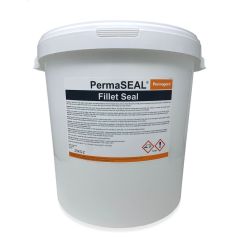
Preparation is key to a successful cement tanking system. All previous coatings, renders, plasters, paints etc. MUST be removed back to the original masonry substrate. Any defective joints or voids must be raked out to a sound substrate then repaired flush with the rest of the masonry. PermaSEAL Fillet Seal should be used to address any weak stress points where water ingress could occur.
In cellar tanking situations, a cove joint should be formed in the floor slab. See the technical brochure for more details.
Bonding coat
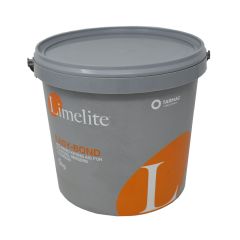
When applying tanking products, there needs to be a key for the product to bond to. In situations where this is hard to achieve, we suggest using a bonding slurry coat: approximately 1 part SBR bonding additive to 1 part water to 5 parts cement - which is then brush applied over the substrate. This provides a key for the cementitious tanking.
Note: SBR bonding slurry isn’t suitable for old properties where breathability is important. This is because SBR isn’t classed as breathable, even when diluted.
Application
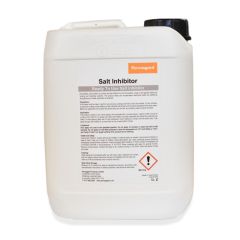
Applying wall tanking products is relatively easy. Simply apply the priming spray (PermaSEAL Salt Inhibitor) to the surface - this helps reduce suction and ensure a good adhesive bond. You can then apply a minimum of two coats of PermaSEAL Tanking. Depending on the product and site conditions, you will need to wait either an hour or 24 hours between coats. You need the first coat to be touch dry before applying subsequent coats.
Finishing
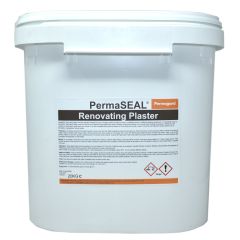
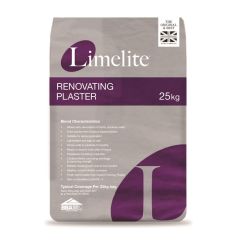
Finishing a cellar that has been tanked can be achieved by applying a minimum of a 10mm coat of sand and cement or PermaSEAL Renovating Plaster to the wall tanking.
You can then either finish with dot and dab plaster boards (tanking needs to be fully cured, which takes approximately 6 weeks) or direct skim finish to the rendered surface with a High Impact Finishing Plaster.
Read our complete guide to tanking a cellar.
Please note: It is extremely important that the wall tanking is rendered. If left exposed and dot and dab finish is used, you may experience condensation between the surfaces. This will give the appearance that the tanking has failed. It is also worth noting that when drying, the wall tanking must be well-ventilated, otherwise “sweating” can occur where water droplets appear on the surface and can make it appear that the wall tanking product has failed.
Related Products
Permagard - Providing Solutions. Inspiring Confidence.
For further information and advice regarding tanking systems, please contact one of our technical team on 0117 982 3282. They will be able to help with any questions you may have around tanking slurries or basement waterproofing systems.
FAQs
Can you paint over cementitious tanking?
You can paint over cementitious tanking with a breathable paint. With cold walls and unventilated spaces, you may find condensation still occurs.
Can you plaster over cementitious tanking?
You need to apply at least a 10mm render before plastering over tanking slurry.
Should I use a salt inhibitor with cementitious tanking slurry?
It is recommended to use a salt inhibitor as part of the installation of a cement slurry. It prevents issues with destructive salts whilst also helping achieve a solid bond.
How long does tanking slurry last?
With correct surface preparation and application, tanking slurry that is fully bonded to masonry, should last the lifetime of the structure. Waterproofing contractors would guarantee for 10 years.
Best Selling Cementitious Tanking Products
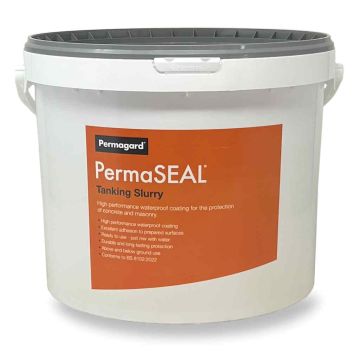
PermaSEAL Tanking Slurry Grey 20kg Bucket
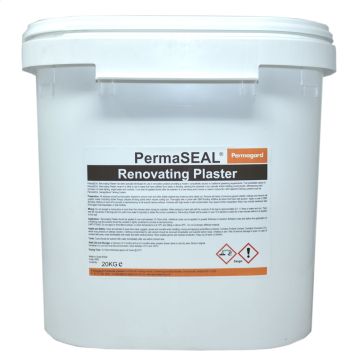
PermaSEAL Renovating Plaster Bucket 20Kg
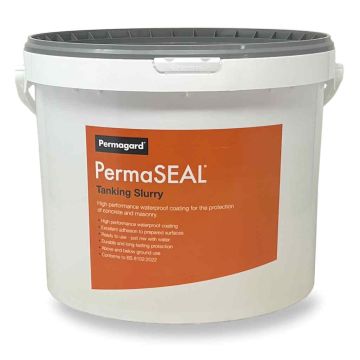
PermaSEAL Tanking Slurry White 20kg Bucket
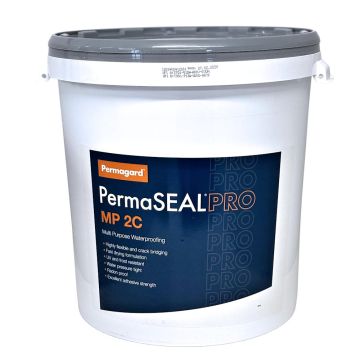
PermaSEAL PRO MP 2C - Multi Purpose Waterproofing

Tanking Brush
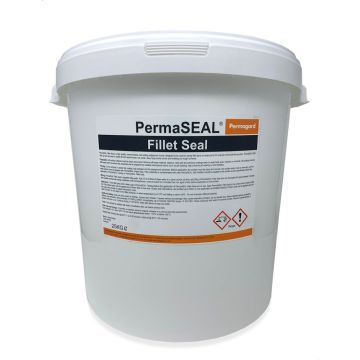
PermaSEAL Fillet Seal 20kg

Fast Delivery
(1–3 Days)
Order before 2pm
Excludes weekends and bank holidays

Low Trade Prices
High quality and affordable
As manufacturers we pass savings onto you

Phone Orders Welcome
Lines Open: 9am - 5pm, Monday - Friday
