
Epoxy Floor Maintenance: The Complete Guide
One of the biggest benefits of epoxy flooring is its durability and how easy it is to maintain. But to ensure it reaches its full potential lifespan and maintains its attractive finish, you need to look after it properly. In this guide, we explore how to maximise the potential of your epoxy floor, which can last for many years – and in some environments, decades – if correctly installed and maintained.
Jump navigation
- Why choose epoxy flooring?
- Why do you need to maintain epoxy flooring?
- How to take care of epoxy flooring
- Epoxy resin maintenance & aftercare tips
- PermaCOAT: premium epoxy flooring
Why choose epoxy flooring?
Epoxy is a popular flooring option for many small-scale commercial and domestic settings, like garages. It’s:
- Tough and resistant – when resins and hardeners combine, a chemical reaction creates a rigid material that bonds strongly to the underlying substrate. Once cured, it forms a durable, non-porous epoxy coating that protects the floor from mechanical and chemical stress.
- Easy to install – for more information, see our guide to installing epoxy flooring.
- Easy to clean
- Long-lasting – potentially lasting decades if looked after properly.
Why do you need to maintain epoxy flooring?
You may be wondering how durable an epoxy floor really is if you have to maintain it. Aside from making them look better, proper cleaning and maintenance:
- Increases lifespan: A well-maintained floor can last for decades. Poorly maintained floors are likely to last only a fraction of this time, making a replacement necessary.
- Reduces repairs: Durable as epoxy is, it can still be damaged by sharp pieces of debris. By regularly cleaning the floor, you’ll remove these to prevent scratches, punctures or chips.
- Ensures safety: Epoxy flooring lends itself to work environments where the potential for dangerous spills is high. Keeping them clean helps to keep people safe and avoid potentially costly repercussions.
How to take care of epoxy flooring
Looking after epoxy flooring can be divided into cleaning and maintenance, and proactive steps that can help protect it.
Proactive protection
- Take care when moving items: If you’re dragging or moving heavy objects that could scratch or gouge the epoxy, consider using trolleys or pallet trucks instead.
- Protect the surface: In high-traffic areas or where activities that could damage the epoxy regularly occur, using protective coverings or mats can limit impact on the floor.
- Limit UV: Over time, UV exposure can discolour or degrade epoxy. Try to limit direct UV light on your floor to prolong its lifespan.
- Secondary containment: If you’re working in a lab that handles potentially corrosive chemicals or a garage working with oils and fuels, using secondary containment can limit accidental spills that can damage your epoxy floor.
How to clean epoxy floors
Epoxy floors are straightforward to clean, but you should ensure you stick to an appropriate schedule.
- Little and often: You should regularly sweep or vacuum your floor to remove debris that can cause real damage. This relatively quick job can save a lot of work in the long run.
- Mop with a non-acid cleaner: Use a synthetic hard foam mop along with warm water and a non-acid cleaner. Rinse with warm water to remove any leftover residue and dry the floor with a squeegee. This will help to keep it looking its best.
- Regular deep cleans: You should regularly clean the floor following an industrial cleaning regime. Make sure you thoroughly rinse the floor with water after using any chemical cleaners. As a rough guide, we’d recommend:
- Light use (home room, light foot traffic): Deep-clean every 6–12 months, with regular sweeping & spot cleaning in between.
- Moderate use (garage, workshop, occasional cars, foot traffic): Aim for every 2–4 months.
- Heavy use (workshops, commercial spaces, frequent vehicle traffic, chemicals, etc): Every 1–2 months, or more frequently if required.
- Clean up spills quickly: Deal with spillages as soon as possible to reduce the risk of staining or surface damage. For minor, non-hazardous spills, absorb and clean the area using a suitable cleaning agent. For chemical spills, always follow manufacturer guidance and site safety procedures.
Further guidance on dealing with chemical spills is provided later in this guide.
Epoxy resin maintenance & aftercare tips
While regular cleaning and maintenance will prevent the majority of issues and damage, there are some specific issues that epoxy can be susceptible to. We look at how to deal with these below.
How to remove stains from an epoxy floor
Many stains can be removed with warm, soapy water and scrubbing. A lot of it comes down to the speed of the clean-up. A stain that’s been there for a few minutes will be a lot easier to clean up than the same stain that’s been left there for a week. Industrial floor cleaners, like rubber tyre mark removers, are designed to remove specific stains. Make sure that any products you use won’t react with or damage epoxy.
How to remove yellowing from epoxy floor
Yellowing is typically caused by prolonged UV exposure or chemical contact. Once repaired, take steps to reduce future exposure where possible.
- Establish whether the yellowing is a result of staining/damage, or if the floor is just dirty.
- If the epoxy remains yellow even after mopping, gently sand the affected areas with a fine-grit sandpaper. For larger areas, you may need to use a mechanical sander. Don’t sand it too deeply.
- Clean the areas to remove any residue or dust with a vacuum cleaner or soft cloth.
- Apply a fresh epoxy topcoat in line with the manufacturer’s instructions.
- Allow it to cure and dry completely.
How to repair scratches in an epoxy floor
To repair scratches, clean the affected surface and lightly sand the scratched area to provide a key. Most surface scratches are best resolved by applying a fresh coat of epoxy to restore the finish. If there are deeper cracks or gouges, these should be filled first using our epoxy crack filler before recoating, following the instructions above.
What to do in the event of a chemical spill
Epoxy flooring is resistant to many common chemicals, but prolonged contact with corrosive substances such as acids, solvents or fuels can cause damage if spills are not dealt with promptly.
For minor, non-hazardous spills, general good practice includes containing the spill where possible, absorbing excess liquid and cleaning the area promptly using warm water and a suitable cleaning agent. Always wear appropriate personal protective equipment (PPE) and avoid spreading the substance across the floor.
For hazardous, large or unknown chemical spills, always follow site-specific health and safety procedures and refer to the relevant Safety Data Sheet (SDS). Do not attempt to deal with dangerous substances unless you are trained and authorised to do so.
This guidance is intended as general information only and should not replace formal health and safety procedures or professional advice.
Epoxy garage floor maintenance
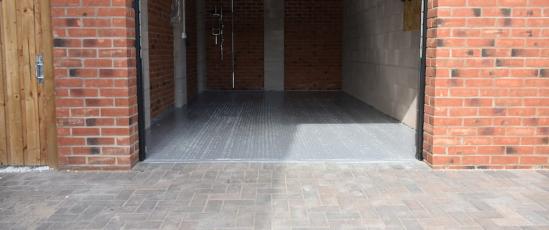
Epoxy garage floors are exposed to lots of things that can damage them, from heavy-duty work involving large equipment and dragged metal items, to oil and chemical spillages.
Using a heavy-duty coating can be a good strategy to maximise lifespan, like our PermaCOAT PRO High Build Epoxy Floor Coating. Otherwise, the same strategies for care and maintenance that we’ve explored above should be followed for garage floors, but extra care should be taken to avoid damage when moving equipment and machinery, and to limit spills.
PermaCOAT: premium epoxy flooring
Thanks to its resistant, hardwearing properties, epoxy floors are a practical choice for many different applications. While it’s long-lasting, it’s important to begin with correct preparation and the application of a high-quality epoxy, like PermaCOAT PRO One Coat Epoxy DPM. Then, maintenance is essential, with regular cleaning and repair to any cracks using an effective product like PermaCOAT Epoxy Crack Filler. If you need any advice or information about using our products or caring for your epoxy floor, we’re always happy to help.
PermaCOAT products deliver transformational results. Our range of epoxy and repair products includes:
- PermaCOAT Liquid Epoxy DPM – 5, 10 & 20kg tins
- PermaCOAT PRO One Coat Epoxy DPM
- PermaCOAT Epoxy Repair Mortar
- PermaCOAT Epoxy Crack Filler
- PermaCOAT PRO High Build Epoxy Floor Coating
- PermaCOAT Epoxy Floor Coating
The information in this guide is intended as general guidance only. Always follow manufacturer instructions, site safety procedures and relevant health and safety regulations.